A knee osteoarthritis diagnosis lands hard on active people. Dr. Hamidi sees this often with patients in their 50s and 60s who have spent years walking the Mount Vernon Trail or playing weekend tennis, and suddenly an X-ray shows joint space narrowing and the word “surgery” gets mentioned as an eventual possibility. It is worth slowing down here, because for most people, knee osteoarthritis is a manageable condition, and a knee replacement is a last resort rather than a first step. There is a lot of ground to cover with conservative care before that conversation is even necessary.
What Is Actually Happening in the Joint
Osteoarthritis is the gradual breakdown of the cartilage that cushions the ends of the bones in the knee joint. As that cartilage thins, bones can come closer together, the joint can develop bone spurs, and surrounding tissue often becomes inflamed, all of which contribute to stiffness, swelling, and pain, especially with weight-bearing activity like stairs or getting up from a chair. It is the most common form of arthritis and tends to develop over years, often related to a combination of joint wear, previous injury, alignment issues, and body weight. It is a real structural change, but pain severity does not always match the imaging exactly. Plenty of people with significant changes on X-ray have mild symptoms, and how the joint is used and supported day to day matters as much as what the scan shows.

Why Movement Helps More Than Rest
The instinct with a painful joint is to protect it by moving less, but with knee osteoarthritis that usually backfires. Cartilage does not have its own blood supply and relies partly on the compression and release of joint movement to receive nutrients, so a joint that sits still too long tends to stiffen further. Muscle weakness around an inactive knee, particularly in the quadriceps, also removes support the joint needs, which increases the load carried by the cartilage itself. The right kind of movement, low-impact and progressive, actually protects the joint rather than wearing it down further.
Building a Conservative Care Plan
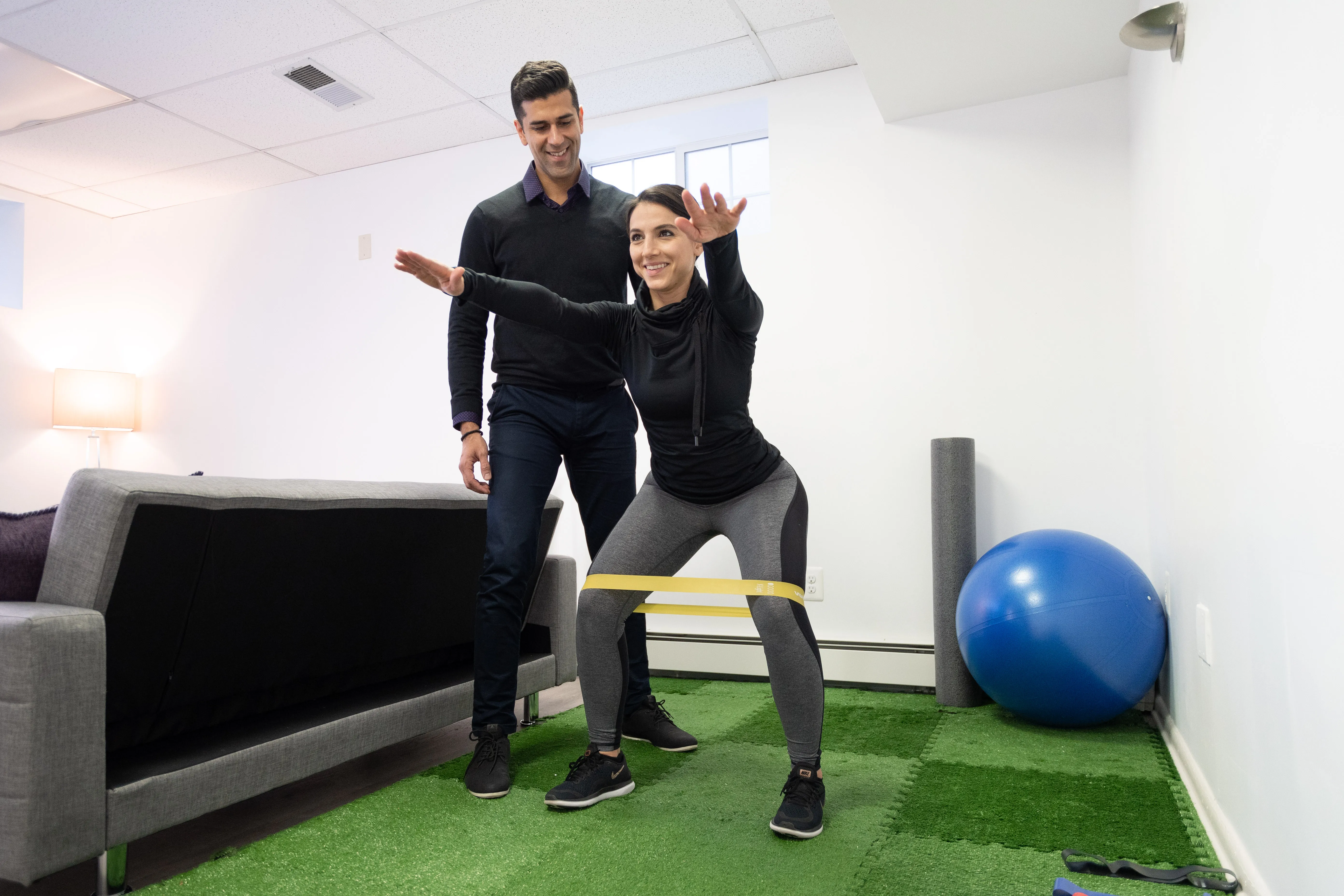
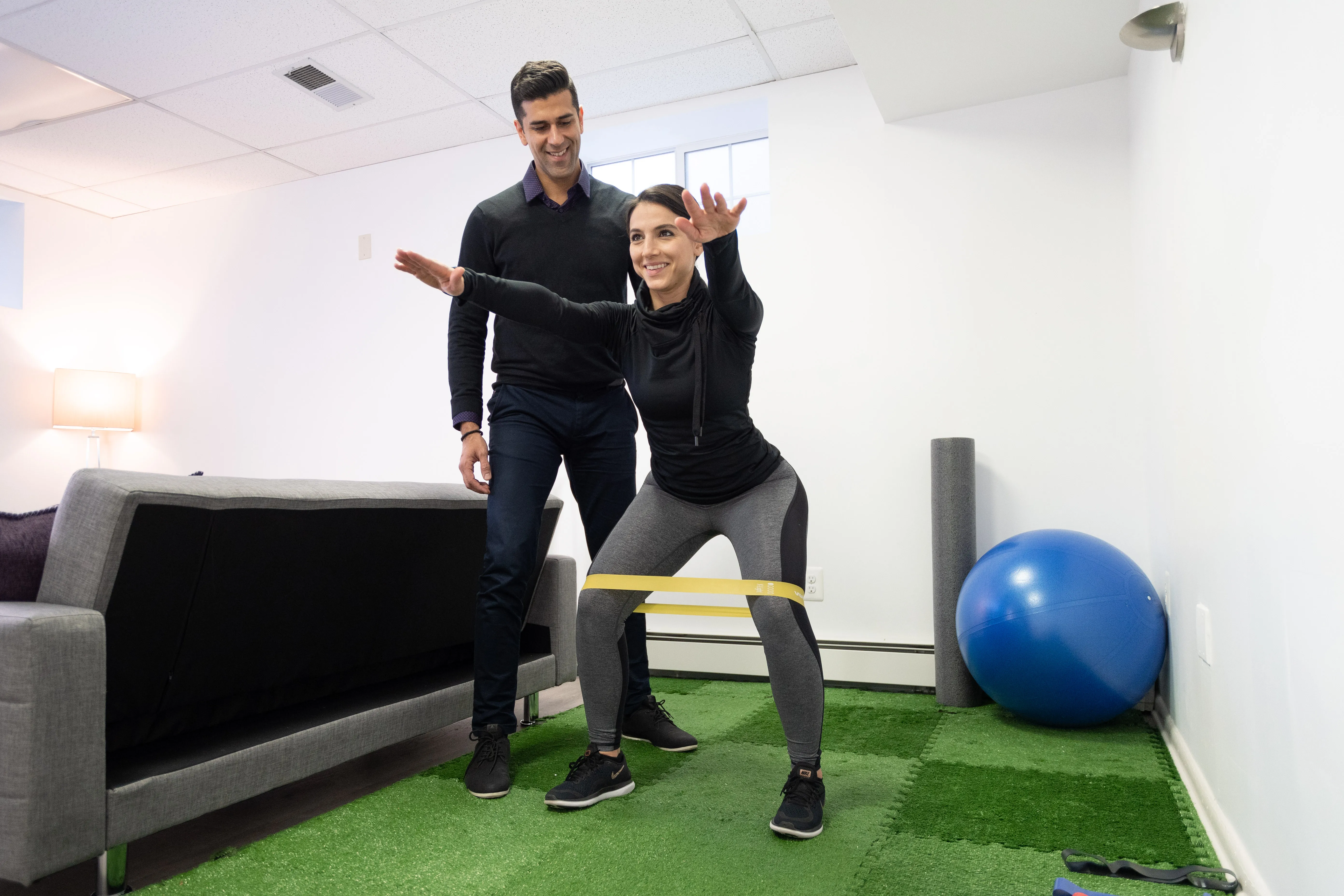
At District Wellness, a knee osteoarthritis plan typically starts with an evaluation of how the knee, hip, and ankle are moving together, since a knee rarely breaks down in isolation. Weakness in the hip or a stiff ankle can shift extra load onto the knee joint, and correcting those upstream issues often reduces knee pain even before touching the knee directly. From there, treatment usually combines:
- Manual therapy and joint mobilization to maintain range of motion in the knee and surrounding joints
- Targeted strengthening for the quadriceps, hamstrings, and hip stabilizers to better support the joint
- Soft-tissue work to address compensations in the calf, IT band, or hip that develop from altered gait
- Activity modification guidance, not elimination, to keep patients moving without overloading a flared-up joint
For patients whose pain has plateaued despite this kind of conservative program, shockwave therapy is sometimes added to stimulate healing in surrounding tendon and soft tissue that has become part of the pain picture.
The Role of Weight and Everyday Load
Every extra pound of body weight translates to multiple pounds of additional force through the knee joint with each step, which is part of why even modest weight loss can meaningfully reduce knee osteoarthritis pain. This is not about a strict diet lecture in a chiropractic office, but it is a real conversation Dr. Hamidi has with patients, alongside footwear checks and simple changes like using a cane briefly during flare-ups to offload the joint while strength work catches up.
When to Consider Bracing or Other Support
A properly fitted knee brace can reduce pain during activity by shifting load away from the most worn part of the joint, and can be a useful bridge while a strengthening program builds capacity. This is different from immobilizing the knee completely, which tends to cause stiffness. Patients recovering from other lower-body injuries, including some of the same mechanical issues seen in ankle sprains and hip pain, often need similar attention to how the whole kinetic chain is loading the knee. Runners who developed early knee changes from years of training should also read preventing shin splints and runner’s knee, since the same hip-strength deficits that cause runner’s knee in younger athletes often set the stage for osteoarthritis-related knee load later on.
Knowing When Surgery Becomes the Right Conversation
Conservative care is the right starting point for the vast majority of knee osteoarthritis cases, but it is not the right choice forever for everyone. When pain significantly limits basic daily function despite a genuine trial of strengthening, activity modification, and other conservative measures, or when imaging shows advanced joint damage, that is when a conversation with an orthopedic surgeon about options like knee replacement becomes appropriate. Dr. Hamidi’s role in that scenario is to make sure conservative care was actually given a fair shot first, and to refer out clearly when it is time.
Common Questions
Is walking bad for knee osteoarthritis? No, walking is generally one of the best low-impact activities for the joint. Pain that worsens significantly with walking is worth discussing at your visit so the plan can be adjusted.
Do I need an X-ray before starting chiropractic care for my knee? Not always. A thorough physical exam often provides enough information to start conservative care, though imaging may be recommended if the history suggests something that needs it.
How long before I notice improvement? Many patients notice reduced stiffness and improved function within four to six weeks of consistent strengthening and manual therapy, though this varies with severity and how long symptoms have been present.
References
Background on osteoarthritis progression and conservative management comes from the National Institute of Arthritis and Musculoskeletal and Skin Diseases and the American Academy of Orthopaedic Surgeons OrthoInfo.
Takeaway
Knee osteoarthritis is common, but it does not have to mean giving up the activities you enjoy or heading straight toward surgery. A structured conservative care plan built around movement, strength, and correcting how the whole leg is loading the joint can keep you active for years. If you have read our related post on stretches for hip pain relief, the same logic applies here: the joints above and below the knee matter just as much as the knee itself. Call District Wellness at (571) 568-8496 or book through new patient scheduling to get a plan built around your knee.