
Dr. Hamidi hears a version of the same story often: a fender bender on I-395 or a hard stop on the GW Parkway, the patient feels shaken but “fine,” declines an ambulance at the scene, goes home, and by day two or three wakes up barely able to turn their head. This delayed onset isn’t unusual — it’s actually the expected pattern for soft tissue and whiplash-type injuries, and the choices made in those first 72 hours often determine whether recovery takes a few weeks or drags into months.
Why You Don’t Feel It Right Away
In the moments after a collision, the body floods with adrenaline and cortisol, hormones that blunt pain perception and mask inflammation. That’s the biological reason so many people walk away from a crash saying they feel okay, only to stiffen up dramatically once the adrenaline clears — typically somewhere between 12 and 72 hours later. Whiplash, disc irritation, and joint capsule injuries in the neck and back are notorious for this delayed presentation, which is exactly why whiplash is so often underestimated at the scene of an accident.
What to Do in the First 24 Hours
- Get checked at an ER or urgent care if there’s any loss of consciousness, chest pain, severe headache, or visible injury. These need immediate medical evaluation, full stop.
- Document everything. Photos of the vehicles, the scene, and any visible marks on your body. Get the police report number and the other driver’s insurance information.
- Don’t sign anything from an insurance adjuster yet, and be cautious about giving a detailed recorded statement before you’ve had a chance to see how your body responds over the next couple of days.
- Notify your own insurance company of the accident even if you weren’t at fault — most policies require prompt notification regardless of fault.
- Rest, but don’t go completely sedentary. Gentle movement within a comfortable range helps prevent the stiffness that comes from guarding an injured area too rigidly.

Hours 24 to 72: Watch for These Signs
This window is when delayed symptoms typically surface. Pay attention to:
- Neck stiffness or pain that’s worse than the day before, not better
- Headaches, especially ones starting at the base of the skull
- Numbness or tingling radiating into the arms or hands
- Lower back pain or stiffness getting out of bed
- Dizziness, difficulty concentrating, or unusual fatigue
- Jaw pain or clicking, which can accompany whiplash from the sudden head movement
Any of these warrant an evaluation with a provider experienced in motor vehicle accident injuries, even if the accident felt minor at the time. Dr. Hamidi has treated plenty of patients whose collision was a low-speed parking lot bump that still produced weeks of neck dysfunction, because injury severity doesn’t scale perfectly with vehicle damage — the body’s stabilizing muscles can be strained hard even in a slow-speed impact.
Why Seeing a Chiropractor Early Matters
Getting evaluated within the first week, rather than waiting to see if it resolves on its own, gives Dr. Hamidi a much clearer baseline to work from. An early exam checks joint mobility throughout the neck and back, screens for neurological involvement like the numbness and tingling pattern discussed in carpal tunnel or a pinched nerve in your neck, and establishes a treatment plan before muscle guarding and compensatory movement patterns become entrenched. Waiting weeks often means treating not just the original injury but also the secondary tightness and postural shifts the body developed while protecting the injured area.
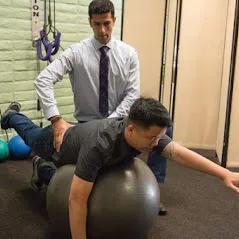
Treatment in these early weeks typically combines gentle mobilization to restore joint motion without aggravating inflamed tissue, targeted soft tissue work — often coordinated with the massage team, Jeff Fischer, Sawyer Smith, and Carla Thomas — and a graded return to normal activity. This mirrors the approach covered in 10 causes of shaking after a car accident, where the nervous system’s response to trauma needs to be addressed alongside the physical injury itself.
Documentation Matters for Your Claim, Too
Beyond the clinical reasons to seek care early, there’s a practical one: insurance claims and any potential legal case are stronger when there’s a documented, continuous record of treatment starting close to the date of the accident. A gap of several weeks between the crash and your first evaluation gives insurance adjusters room to argue the injury wasn’t related to the collision. Dr. Hamidi’s office provides detailed documentation of findings and progress at every visit, which supports both your recovery and your claim.
The National Library of Medicine notes that whiplash-associated symptoms commonly have a delayed onset and can involve the cervical spine’s soft tissues, ligaments, and nerve roots, reinforcing why an early clinical evaluation — not just a “wait and see” approach — is the recommended course of action after any collision, even a minor one.
Common Questions
Do I need to go to the ER even if I feel okay? If there’s any loss of consciousness, chest or abdominal pain, severe headache, or visible trauma, yes, immediately. For everything else, an evaluation with a provider who specializes in accident-related injuries within the first few days is appropriate.
What if my pain doesn’t start until a week later? That’s still worth getting evaluated. Delayed onset is common with soft tissue injuries, and it doesn’t mean the injury is less legitimate or less connected to the accident.
Will my insurance cover chiropractic care after an accident? In Virginia, this depends on your specific policy and whether it includes medical payments coverage or you’re pursuing a claim against the at-fault driver’s insurance. District Wellness can help walk you through documentation for your specific situation.
Takeaway
The first 72 hours after a car accident set the stage for how smoothly the following weeks go. Even if you feel “fine” at the scene, getting evaluated early gives your body the best chance at a full, uncomplicated recovery. Call District Wellness at (571) 568-8496 or schedule at /new-patient-scheduling as soon as possible after any collision.