
A good number of new patients at District Wellness admit the same thing before their first visit: they’ve never been to a chiropractor and aren’t sure what actually happens once they’re in the room. Some picture aggressive cracking, others worry it will hurt, and most just want to know what to expect so they can walk in prepared. Here’s the honest, step by step version. If you’re still on the fence about whether an appointment is even warranted, our article on signs you need a chiropractic adjustment covers the common tipping points patients describe before booking.
Before You Arrive
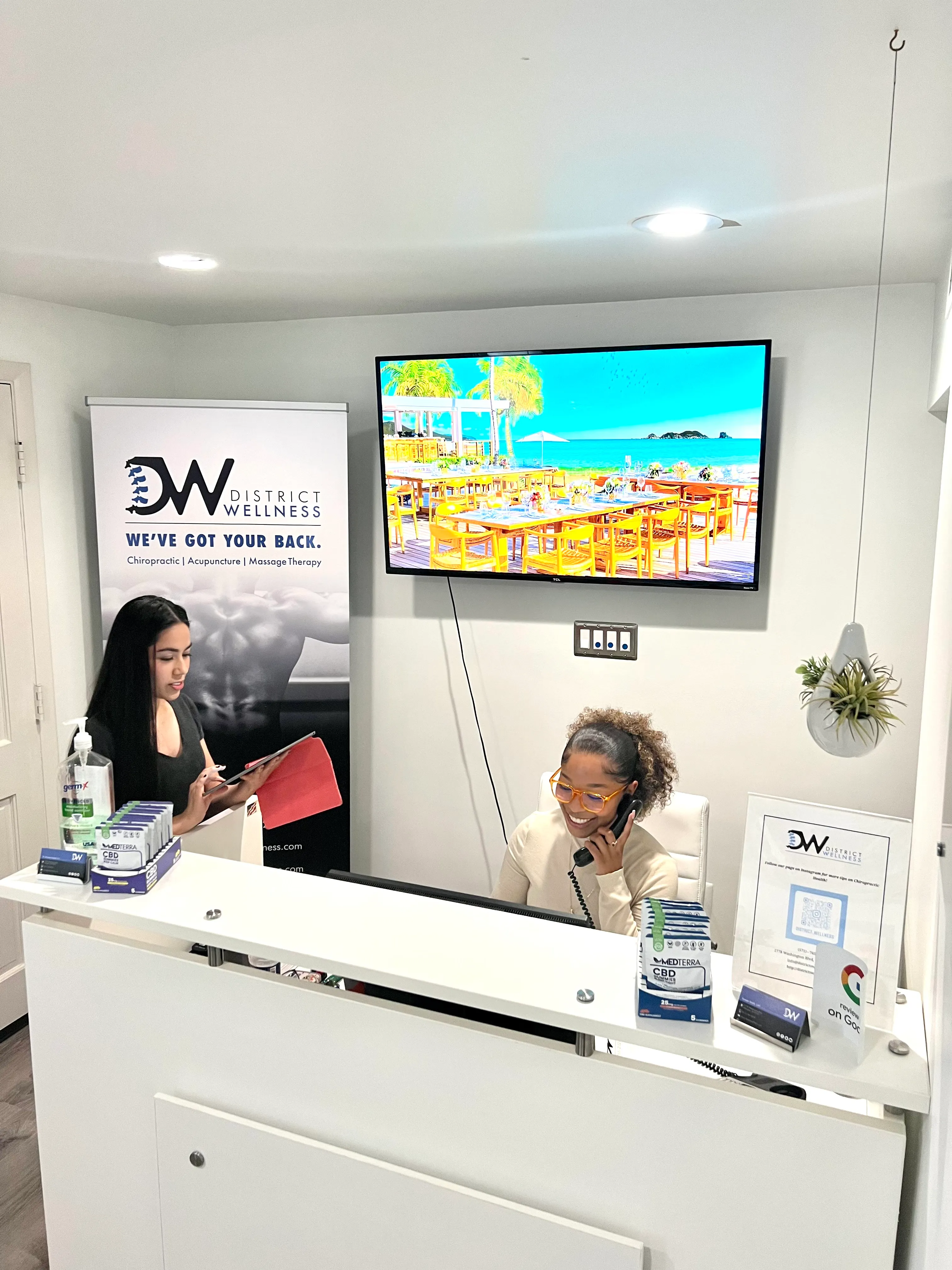
New patient paperwork can be completed online ahead of time through our new patient scheduling page, which saves time in the waiting room and gives Dr. Hamidi a head start reviewing your history before he ever meets you. Wear or bring comfortable clothing that lets you move freely, since parts of the exam involve bending, reaching, and rotating.
The Consultation
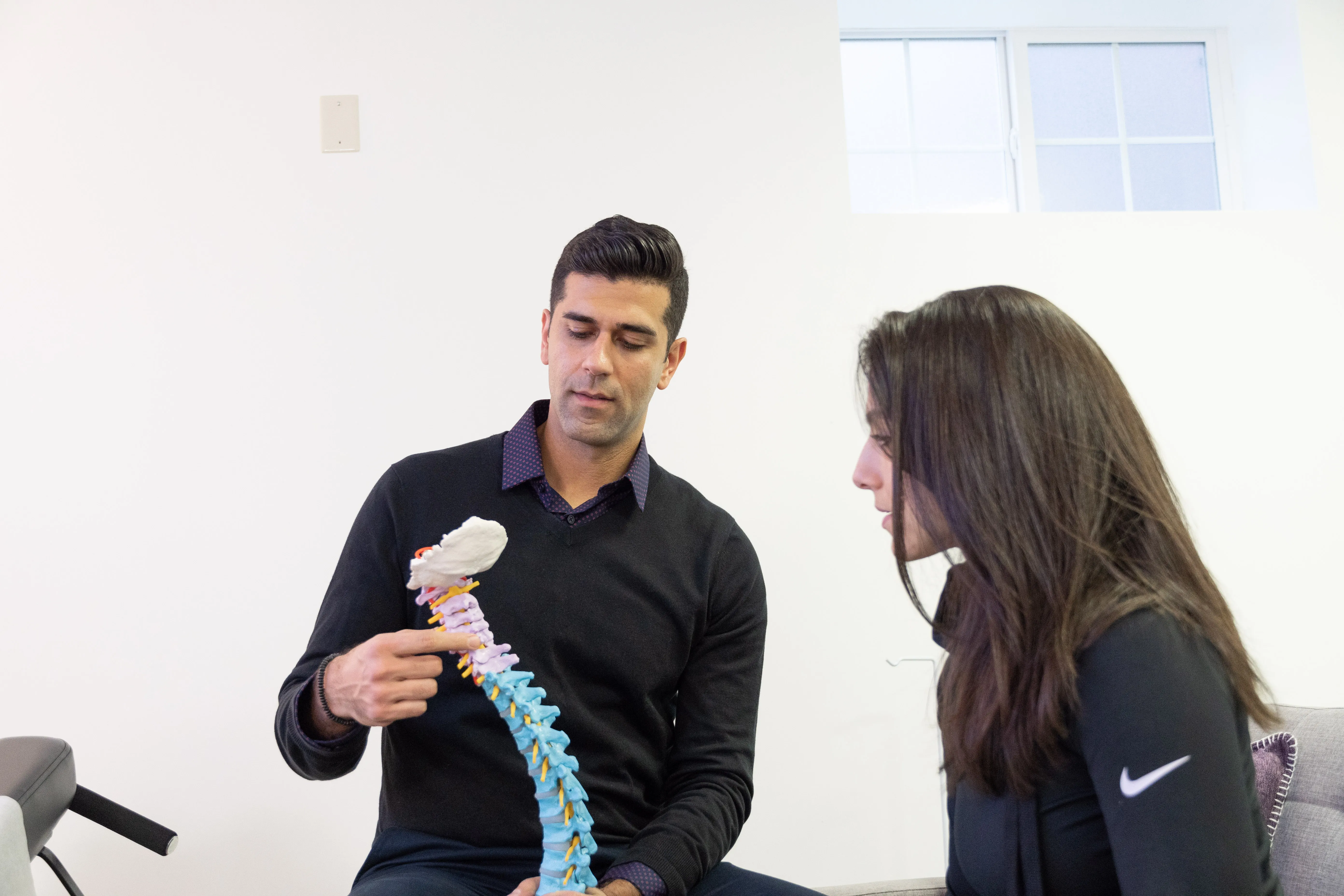
Your visit starts with a conversation, not a treatment table. Dr. Hamidi asks about your main complaint, when it started, what makes it better or worse, your relevant medical history, and how the pain is affecting your daily life, work, sleep, and activity. This isn’t a formality; the answers here shape which orthopedic and neurological tests he prioritizes in the exam that follows. If your visit is related to a car accident, this is also where he’ll ask about the mechanism of the crash, since that detail changes what we screen for in motor vehicle accident injuries and whiplash - the same early-window questions covered in our article on the first 72 hours after a car accident.
The Physical Exam
Next comes a hands-on evaluation. This typically includes assessing posture, spinal alignment, range of motion in the affected area, muscle strength testing, and specific orthopedic tests designed to reproduce or rule out particular conditions. If you’re dealing with pain that radiates into an arm or leg, Dr. Hamidi will also run neurological tests checking reflexes, sensation, and muscle strength to determine whether a nerve is involved, which matters for conditions like sciatica or numbness and tingling.
Imaging, If Needed
Not every patient needs X-rays. Dr. Hamidi orders imaging when the exam findings suggest it would change the treatment plan, such as after significant trauma, when symptoms don’t match a typical pattern, or when ruling out something imaging would clarify. If imaging isn’t indicated based on your presentation, we don’t order it just to check a box.
Your First Adjustment
If your exam findings support it, many patients receive their first adjustment or treatment during the same visit. Dr. Hamidi explains what he’s found and what he plans to do before doing it, so you know what to expect rather than being surprised. Adjustments involve a controlled, specific force applied to a joint to restore normal motion. Some patients feel immediate relief; others notice gradual improvement over the following days as inflammation settles and mobility improves. Popping or cracking sounds, when they occur, come from gas releasing within the joint and are not a sign of anything being “broken” or “out of place” in a structural sense.
Building Your Treatment Plan
Before you leave, Dr. Hamidi outlines a treatment plan tailored to your specific findings, not a generic package. That includes how often he recommends visits, what to expect over the coming weeks, and any home exercises or activity modifications that support progress between appointments. For patients dealing with muscular tightness alongside joint issues, this plan sometimes includes massage therapy as a complementary treatment.
Insurance and Cost Questions
Most new patients want a straight answer on cost before they book, not after. District Wellness accepts most major insurance plans, and our front desk verifies benefits before your first visit so you know your copay or deductible status walking in rather than getting a surprise bill afterward. If you were injured in a car accident, treatment is typically billed to auto insurance or a personal injury protection policy rather than health insurance, and Dr. Hamidi’s office handles that paperwork directly with the carrier. For patients without insurance coverage for chiropractic care, we offer a self-pay rate that’s provided upfront, with no obligation to commit to a long-term package before you’ve even had an exam. If cost is a concern, mention it during scheduling; the front desk can walk you through what a typical course of care runs based on the type of injury you’re describing, so you can make an informed decision before your first appointment rather than after treatment has already started.
What Research Says About Chiropractic’s Role
Spinal manipulation is recognized as a reasonable conservative treatment option for certain types of back and neck pain when appropriate for the individual case. The National Center for Complementary and Integrative Health, part of the NIH, notes that spinal manipulation has shown benefit for some forms of low back pain in clinical research (NCCIH). We rely on that evidence base while being honest that chiropractic care is one tool among several, and the exam is what tells us whether it’s the right fit for your specific condition.
Common Questions
Will my first adjustment hurt? Most patients feel little to no discomfort during an adjustment. Some notice mild soreness afterward, similar to how muscles feel after a workout, which typically resolves within a day.
How long does the first visit take? Plan on 45 to 60 minutes for a thorough consultation, exam, and, when appropriate, initial treatment. Follow-up visits are usually shorter.
Do I need a referral from my primary doctor? No referral is needed. You can schedule directly by calling District Wellness or booking online.
Takeaway
Your first chiropractic visit at District Wellness is built around a real conversation and a thorough exam before any treatment happens, not a rushed five-minute adjustment. Dr. Hamidi wants you to understand exactly what’s going on in your body and why the recommended plan makes sense for it. If you’ve been putting off that first visit because you weren’t sure what to expect, now you know. Call (571) 568-8496 or schedule through new patient scheduling. Questions before booking? Visit our FAQ page or contact us directly, and read what other patients experienced on testimonials.