
Dr. Hamidi sees this every week in Arlington office workers: someone who feels fine walking around but can barely stand up straight after eight hours at a desk. If your commute is a Metro ride to Rosslyn or Ballston followed by a full day in a chair, your lower back is absorbing more strain than you realize, and it adds up long before you notice the pain.
What Sitting Actually Does to Your Spine
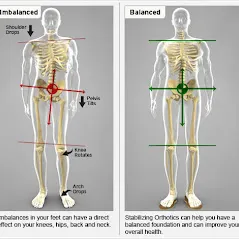
When you sit, the load on your lumbar discs increases compared to standing. The pelvis tends to tilt backward, flattening the natural curve in your lower back, which shifts pressure onto the discs and the small facet joints that guide spinal movement. Hold that posture for hours and the surrounding muscles, especially the hip flexors and glutes, adapt to the shortened or lengthened position. Tight hip flexors pull on the pelvis, glutes go quiet, and the lower back muscles end up doing work they were never built to sustain alone.
The 45-Minute Warning Sign
Research on prolonged sitting consistently points to disc pressure and muscle fatigue rising the longer you stay static, not just from sitting itself. The National Institute of Neurological Disorders and Stroke notes that mechanical strain and poor posture are common contributors to low back pain, and that sustained awkward positions are a known risk factor (NINDS). If you notice your low back starting to ache around the 45-minute mark of sitting, that is your body telling you the position has outlasted its usefulness, not a sign something is broken.
Why It Feels Worse After You Stand Up
Patients often describe the first few steps out of a chair as the worst part of their day. That first-minute stiffness happens because the discs and joints have been compressed in one position and need a moment to redistribute fluid and reload evenly. If that stiffness resolves quickly, it is mechanical. If it lingers, radiates into a leg, or is joined by numbness, that points toward nerve involvement and is worth a proper evaluation rather than another round of stretching and hoping.
Desk Setup Mistakes We See Constantly
- Chair seat pitched too far back, encouraging a slouched pelvis
- Monitor too low, pulling the head and shoulders forward and loading the low back through compensation
- No lumbar support, or lumbar support positioned too high
- Feet not flat on the floor, which rotates the pelvis
- Sitting through back-to-back Zoom calls with zero position changes for 90+ minutes
None of these are dramatic on their own. Stacked together for a full workday, five days a week, they are enough to keep a lower back irritated indefinitely.
What Actually Helps
Movement breaks matter more than perfect posture. Standing up every 30 to 45 minutes, even for 60 seconds, resets disc pressure and reactivates the glutes and hip flexors. A short walk on lunch, even a loop around the block near the office, does more for a stiff low back than an expensive chair. The same joint that goes stiff from sitting is often the culprit in the pelvic-region pain we break down in SI joint pain: the low back pain that isn’t sciatica, worth reading if your ache sits low and to one side rather than centered.
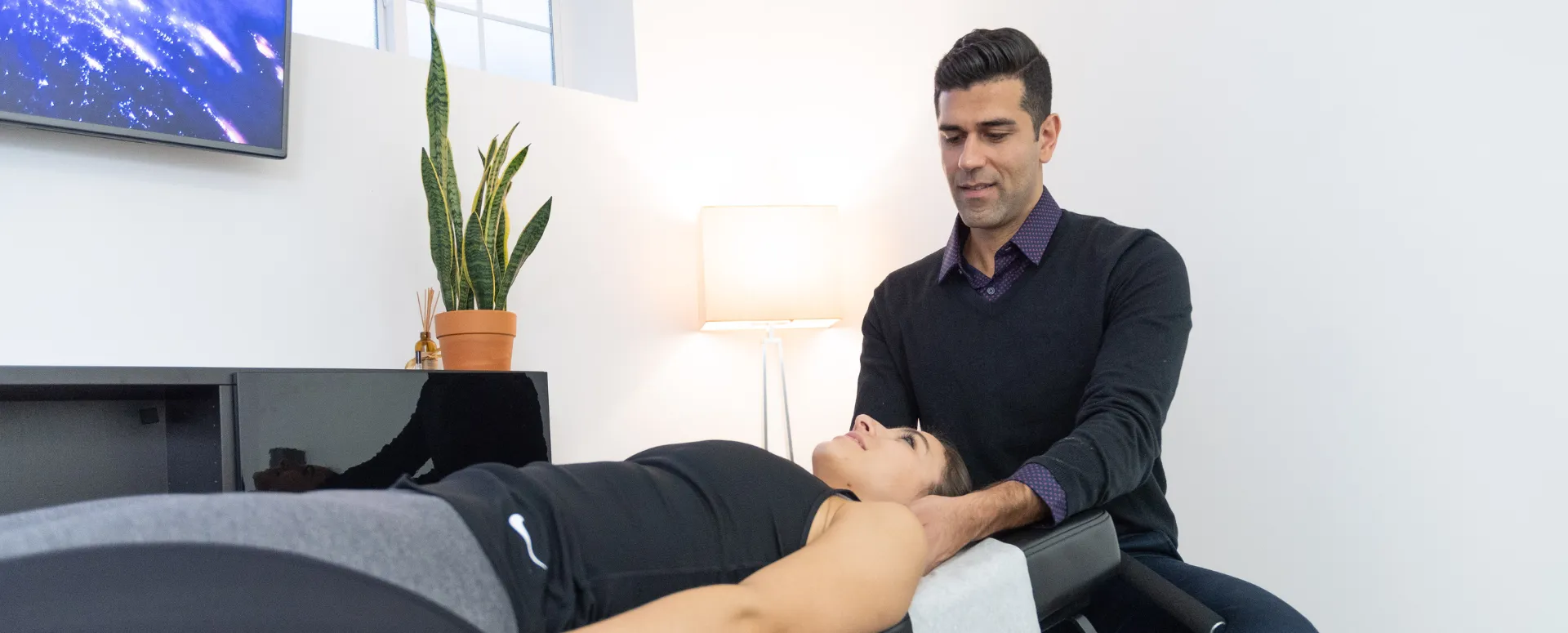
At District Wellness, treatment for sitting-related back pain usually starts with an assessment of pelvic position, hip flexor length, and how the spine moves through flexion and extension. Adjustments restore normal joint motion in segments that have gotten stiff from disuse, and we pair that with specific mobility and strengthening work so the improvement holds between visits rather than fading by Wednesday. When there is any nerve involvement, we also screen for sciatica patterns and for signs of numbness or tingling that would change the treatment plan.
When Low Back Pain From Sitting Signals Something More
Most desk-related low back pain is mechanical and responds well to conservative care. But get evaluated promptly if you notice pain shooting down one leg past the knee, numbness in the foot, or pain that wakes you at night regardless of position. I covered related red flags and misdiagnosis patterns in You Don’t Have Sciatica: Debunking Common Misdiagnoses, which is worth a read if your pain radiates.
Common Questions
Does a standing desk fix this? Partially. Standing all day creates its own fatigue pattern. Alternating between sitting and standing every 30-45 minutes, combined with actual movement, beats either position held statically.
Is it my mattress or my desk chair? Usually the desk chair and the hours logged in it. A firm, supportive mattress helps recovery overnight, but eight hours of poor daytime posture will overwhelm even a good night’s sleep.
How soon should improvement start? Most patients notice reduced stiffness within two to three visits once we identify which joints and muscles are driving the pattern, though full resolution depends on how long the pain has been present.
Takeaway
Lower back pain from sitting is common, predictable, and very treatable once you understand the mechanics behind it. It is not a sign you need surgery, and it is not something you have to accept as the cost of a desk job. Dr. Hamidi and the team at District Wellness build treatment plans around your actual daily posture and movement patterns, not a generic protocol. If your lower back has been complaining every afternoon for weeks, do not wait for it to escalate. Call District Wellness at (571) 568-8496 or visit new patient scheduling to get evaluated. You can also browse our full list of services or read more about our approach on the about page.