
Two patients can walk into District Wellness with almost the same complaint, “I can’t lift my arm above my head,” and be dealing with completely different problems. Frozen shoulder and a rotator cuff tear both restrict shoulder motion, but Dr. Hamidi treats them very differently, so getting the distinction right at the start matters.
The Core Difference: Stiffness vs Weakness
The fastest way to separate the two conditions is to ask whether the limitation is primarily stiffness or primarily weakness. With frozen shoulder, also called adhesive capsulitis, the joint capsule itself thickens and tightens, physically restricting how far the shoulder can move in every direction, active or passive. Even if someone else tries to move your arm for you, it still won’t go. With a rotator cuff tear, the joint itself usually still has a full passive range of motion; the limitation comes from weakness or pain when you try to actively lift or rotate the arm under your own power, particularly against resistance.
How Frozen Shoulder Progresses
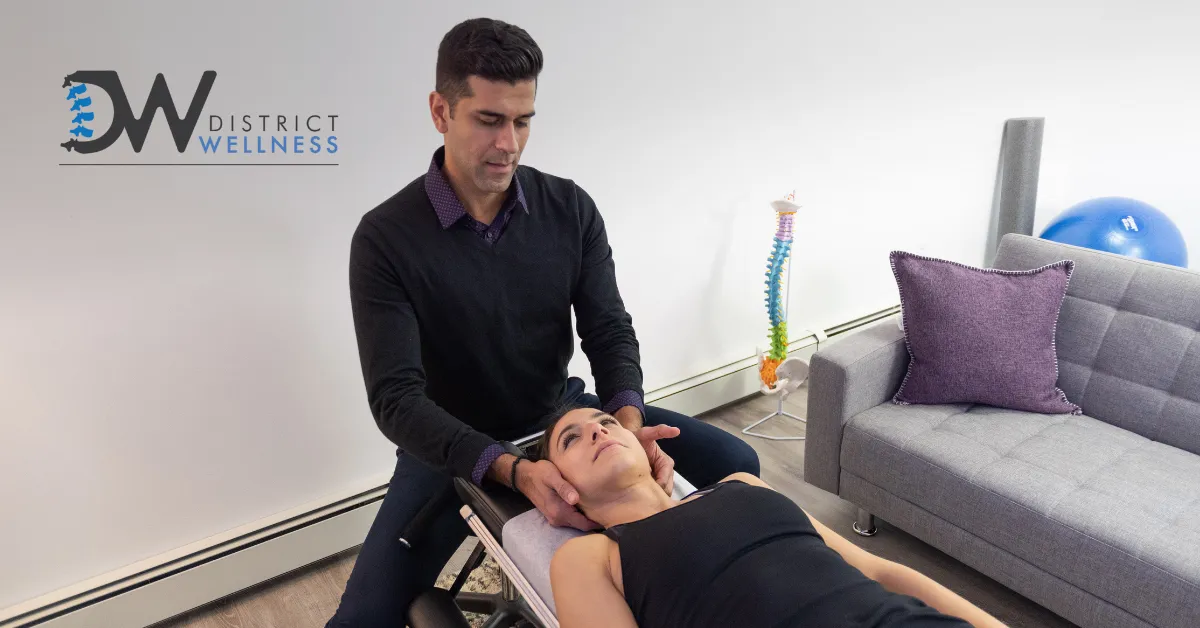
Frozen shoulder typically moves through three overlapping stages. The freezing stage brings gradually worsening pain and progressive loss of motion, often over several months. The frozen stage involves less pain but significant stiffness that limits daily activities like reaching for a seatbelt or a top shelf. The thawing stage is a slow return of motion that can take many more months. It disproportionately affects people between 40 and 60 and is more common in people with diabetes, which the American Academy of Orthopaedic Surgeons notes as a recognized risk factor (AAOS OrthoInfo).
How a Rotator Cuff Tear Presents
Rotator cuff tears often follow a specific mechanism, a fall onto an outstretched arm, a sudden heavy lift, or repetitive overhead strain built up over years, though degenerative tears in older adults can develop without any single injury. Common symptoms include a deep ache in the shoulder that worsens at night, weakness lifting the arm or reaching behind the back, and sometimes a catching or clicking sensation with movement. Unlike frozen shoulder, passive motion, someone else moving the arm for you, is often close to normal even when active lifting is significantly limited.
The Exam Findings That Separate Them
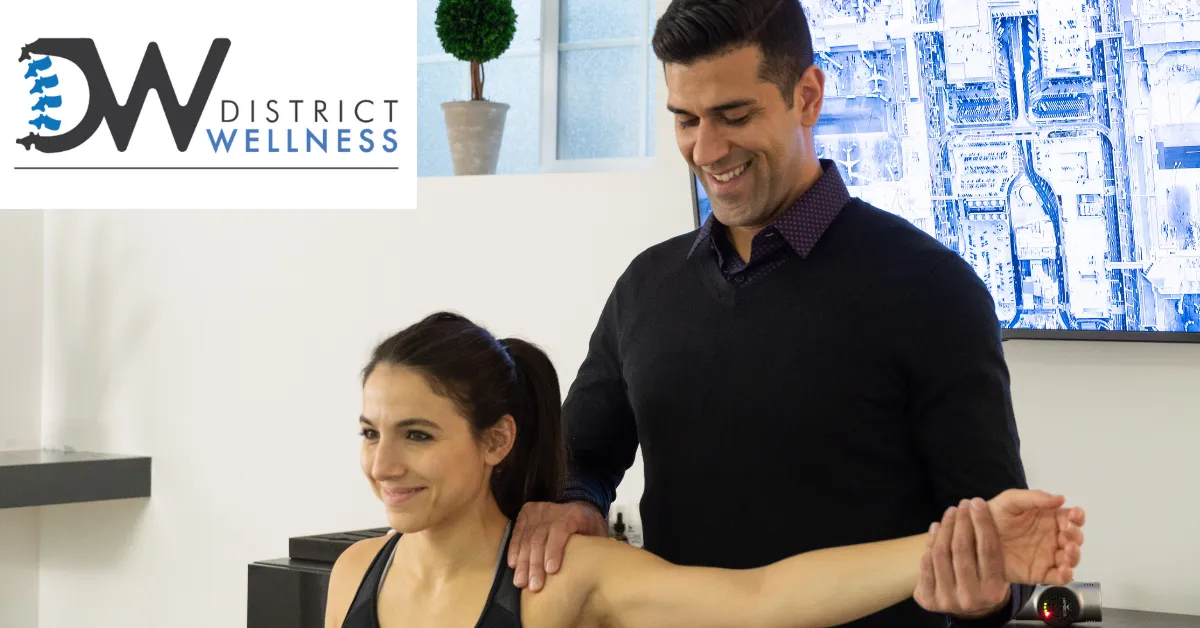
At District Wellness, we run a structured shoulder exam that compares active range of motion, passive range of motion, and resisted strength testing across specific movements. A shoulder that loses motion equally in every direction regardless of who’s moving it points toward capsular restriction and frozen shoulder. A shoulder with near-normal passive motion but clear weakness and pain on resisted testing, especially with external rotation or the “empty can” test for the supraspinatus, points more toward a rotator cuff issue. We also screen for impingement patterns as part of evaluating shoulder injuries including rotator cuff tears and impingements, since impingement often coexists with or precedes a partial tear.
Treatment Looks Different for Each
Frozen shoulder responds best to consistent, progressive mobility work, gentle joint mobilization, and patience, since the capsule needs time to remodel regardless of how aggressively it’s treated. Pushing too hard too fast tends to backfire and increase pain. A rotator cuff tear, particularly a partial tear, often responds to a structured strengthening program targeting the rotator cuff and scapular stabilizers, combined with massage therapy to address compensatory tightness in the neck and upper back that develops when someone favors the injured shoulder. Full-thickness tears with significant weakness sometimes need orthopedic referral for surgical evaluation, which is why an accurate exam upfront saves time and prevents months of the wrong kind of treatment.
Other Nerve Patterns That Get Mistaken for Shoulder Problems
Shoulder pain does not always originate in the shoulder itself. A pinched nerve in the neck can send pain and weakness down through the shoulder and arm in a way that mimics a rotator cuff problem closely enough to fool a self-diagnosis, particularly when the arm feels weak but the shoulder joint itself is not obviously restricted. We cover how to sort out a neck-driven pattern from a true shoulder injury in carpal tunnel or pinched nerve in your neck, which walks through the specific tests that separate a cervical nerve root issue from a local shoulder problem. Getting this distinction right at the exam matters just as much as separating frozen shoulder from a cuff tear, since treating the neck when the shoulder is the actual source, or the reverse, wastes weeks of care that never addresses the real driver of the pain.
Posture plays a role in both categories of shoulder pain. A forward head position and rounded shoulders, common in anyone who spends the day at a desk or looking down at a phone, changes how the shoulder blade sits against the rib cage and can accelerate impingement patterns that mimic or worsen a rotator cuff problem. We discuss the mechanics of that postural strain from a low back angle in why your lower back hurts when you sit all day, and the same principles of movement breaks and postural correction apply directly to shoulder health.
Common Questions
Can you have both frozen shoulder and a rotator cuff tear at the same time? It’s uncommon but not impossible, particularly after a shoulder has been immobilized for another reason. A careful exam usually clarifies which is the dominant driver of symptoms.
How long does frozen shoulder usually last? The full cycle can run anywhere from several months to a couple of years without treatment, though appropriate conservative care generally shortens the frozen and thawing stages meaningfully.
Will resting the shoulder fix a rotator cuff tear? Complete rest can actually worsen the surrounding weakness and stiffness. Most tears benefit from a guided, graded loading program rather than avoiding movement altogether.
Takeaway
Shoulder pain that limits your ability to reach overhead deserves a real exam, not a guess based on symptoms alone, because frozen shoulder and a rotator cuff tear need genuinely different treatment strategies to resolve efficiently. Dr. Hamidi’s evaluation process is built to tell the two apart quickly so you’re not wasting months on the wrong approach. Call District Wellness at (571) 568-8496 or book through new patient scheduling to get an accurate diagnosis. See our full range of care on the services page or learn more about our clinic.