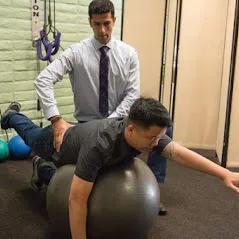
Every April, Dr. Hamidi sees the same pattern walk through the door: someone who spent the winter mostly sedentary, picked up a racquet or a set of clubs the first warm weekend of the year, and now can’t turn a doorknob without wincing. The courts at Barcroft Park and the driving range crowds at East Potomac fill back up fast once the weather breaks, and forearms that haven’t done real work since October pay for it.
Tennis elbow and golfer’s elbow are both overuse injuries of the tendons that attach to the bony bumps on either side of your elbow, but they’re not the same condition, and telling them apart matters for how you treat them.
Tennis Elbow: Pain on the Outside
Lateral epicondylitis, the medical name for tennis elbow, involves the tendons on the outside of the elbow that anchor the muscles controlling wrist extension - the ones you use to lift the back of your hand up. Repeated backhands are a classic cause, but so is anything that repeatedly extends the wrist against resistance: using a screwdriver, painting a fence, or typing for hours with your wrist cocked up off the desk.
The pain typically sits right over the bony knob on the outer elbow and radiates down the forearm. Gripping anything - a coffee mug, a car door handle, a dumbbell - tends to make it worse.
Golfer’s Elbow: Pain on the Inside
Medial epicondylitis mirrors tennis elbow but on the inner side of the elbow, involving the tendons that flex the wrist and fingers. Golf swings load this area every time the club strikes the ground or the ball, especially with a grip that’s too tight or a swing that decelerates hard through impact. It also shows up in people who throw, climb, or do a lot of manual work that involves gripping and pulling.
Why Spring Is the Trigger
Both conditions are classic overuse injuries, and overuse means volume and intensity outpacing what the tissue is conditioned to handle. Someone who played tennis twice a week all last summer has tendons that adapted to that load. After a winter off, that same twice-a-week schedule - or worse, a weekend tournament - asks the tendon to do six months of work in six days. Add in cold, tight forearm muscles that haven’t been stretched since fall, and you have a setup for microtears at the tendon origin.
Gardening season adds its own version of the problem. Raking, digging, and pruning all involve repetitive gripping and wrist motion that can aggravate the same tendons even in people who never pick up a racquet.
How Dr. Hamidi Evaluates It
The exam starts with resisted wrist extension and flexion tests to reproduce the pain and confirm which tendon is involved, along with grip strength testing and palpation to pinpoint the exact spot of irritation. It’s important to rule out a pinched nerve in the neck contributing to forearm symptoms, since numbness and tingling that travels into the hand can mimic or overlap with tendon pain. Sometimes the real driver is upstream, which is why Dr. Hamidi checks neck and shoulder mechanics as part of the workup, not just the elbow itself.
Treatment That Actually Addresses the Tendon
Rest alone rarely fixes chronic tendon pain, and complete immobilization can make tendons weaker for the return to activity. At District Wellness, treatment for tennis elbow and golfer’s elbow combines several approaches:
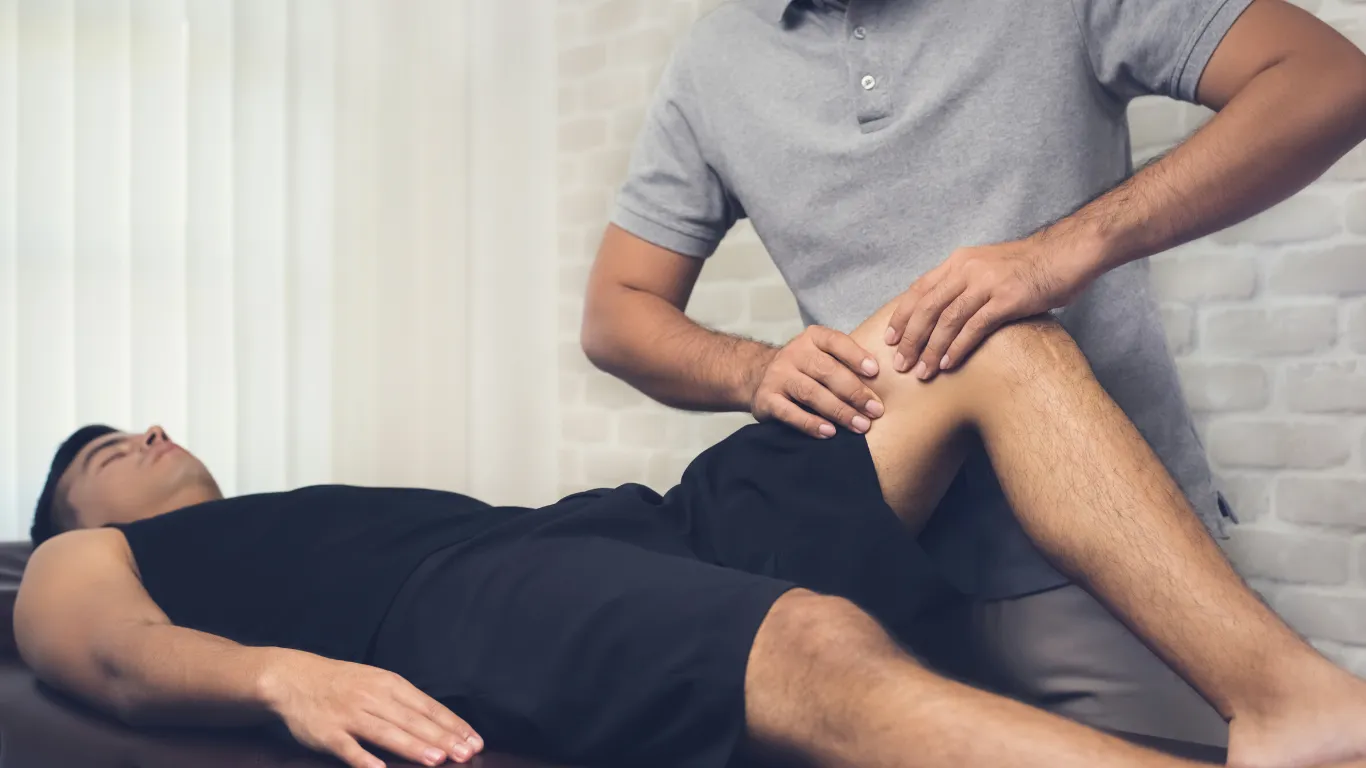
- Soft-tissue work to release the tight forearm flexors or extensors feeding tension into the injured tendon
- Joint mobilization of the elbow and wrist to restore normal mechanics
- Eccentric loading exercises, which have some of the best evidence for tendon healing - slowly lowering a weight through the painful motion builds tendon resilience better than rest does
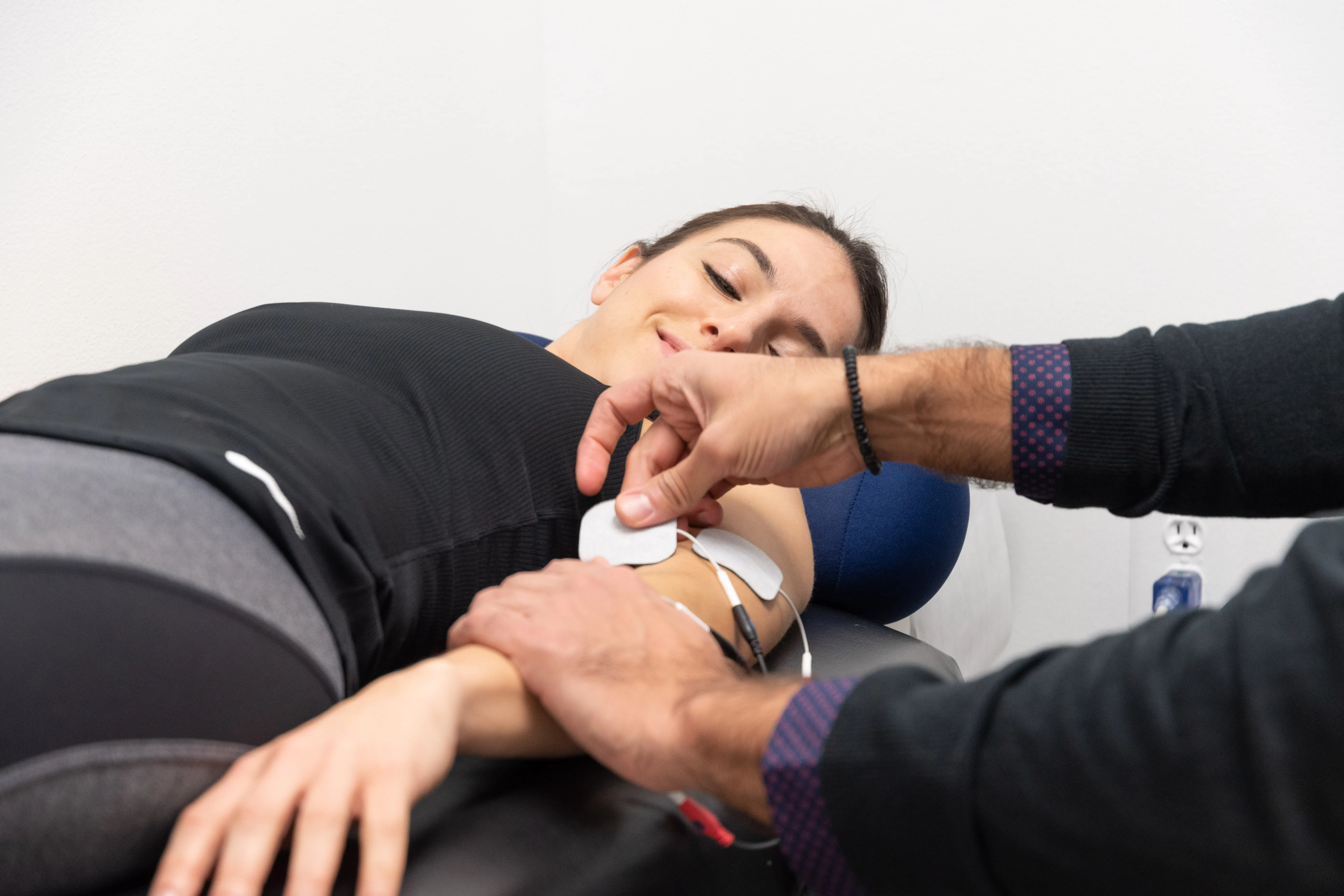
- Shockwave therapy for cases that have been dragging on for months, since shockwave therapy stimulates blood flow and collagen remodeling in stubborn tendinopathy
- Massage therapy to address the whole kinetic chain from shoulder to wrist, since compensations upstream often keep reloading the injured tendon
The Repetitive Strain Connection
Not everyone with elbow pain plays a sport. Plenty of Dr. Hamidi’s patients develop the same tendon irritation from computer mouse use, assembly-line style work, or hobbies like knitting and woodworking. The mechanism is identical - repeated tendon loading without enough recovery time - and it falls under the broader category of work-related repetitive strain injuries that District Wellness treats regularly in Arlington’s office-heavy population.
Warming Up Before You Play
If you’re heading back to the courts or the range this spring, a few minutes of forearm-specific warmup can meaningfully lower your risk:
- Wrist circles and gentle flexor/extensor stretches held for 20-30 seconds each
- Light grip squeezes to wake up the forearm muscles before a hard session
- Building back up gradually - two shorter sessions per week for the first few weeks rather than jumping straight to your old volume
- Checking grip size on a tennis racquet or club, since a grip that’s too small forces the forearm to work harder to control the equipment
Common Questions
How do I know if it’s tennis elbow or a nerve problem? Tendon pain is usually reproduced by resisted wrist motion and gripping, while nerve-related pain often comes with tingling or numbness that travels into specific fingers. An exam can tell the two apart quickly.
Can I keep playing through it? Mild cases sometimes tolerate modified play, but pushing through sharp pain usually prolongs recovery. Dr. Hamidi will give you a realistic timeline based on severity.
How long does golfer’s elbow take to heal? Mild cases improve in a few weeks with proper treatment; chronic cases that have been ignored for months can take longer and often benefit from shockwave therapy.
For related reading, Dr. Hamidi has also written about carpal tunnel versus a pinched nerve in the neck and about staying active without surgery, both useful if you’re managing more than one overuse issue this season.
Takeaway
Tennis elbow and golfer’s elbow are common every spring in Arlington, and they respond well to targeted treatment rather than just waiting them out. If your forearm has been aching since you picked your racquet or clubs back up, don’t wait for it to become a chronic problem. Call District Wellness at (571) 568-8496 or visit new patient scheduling to get an evaluation and a plan to get back on the court or the course.